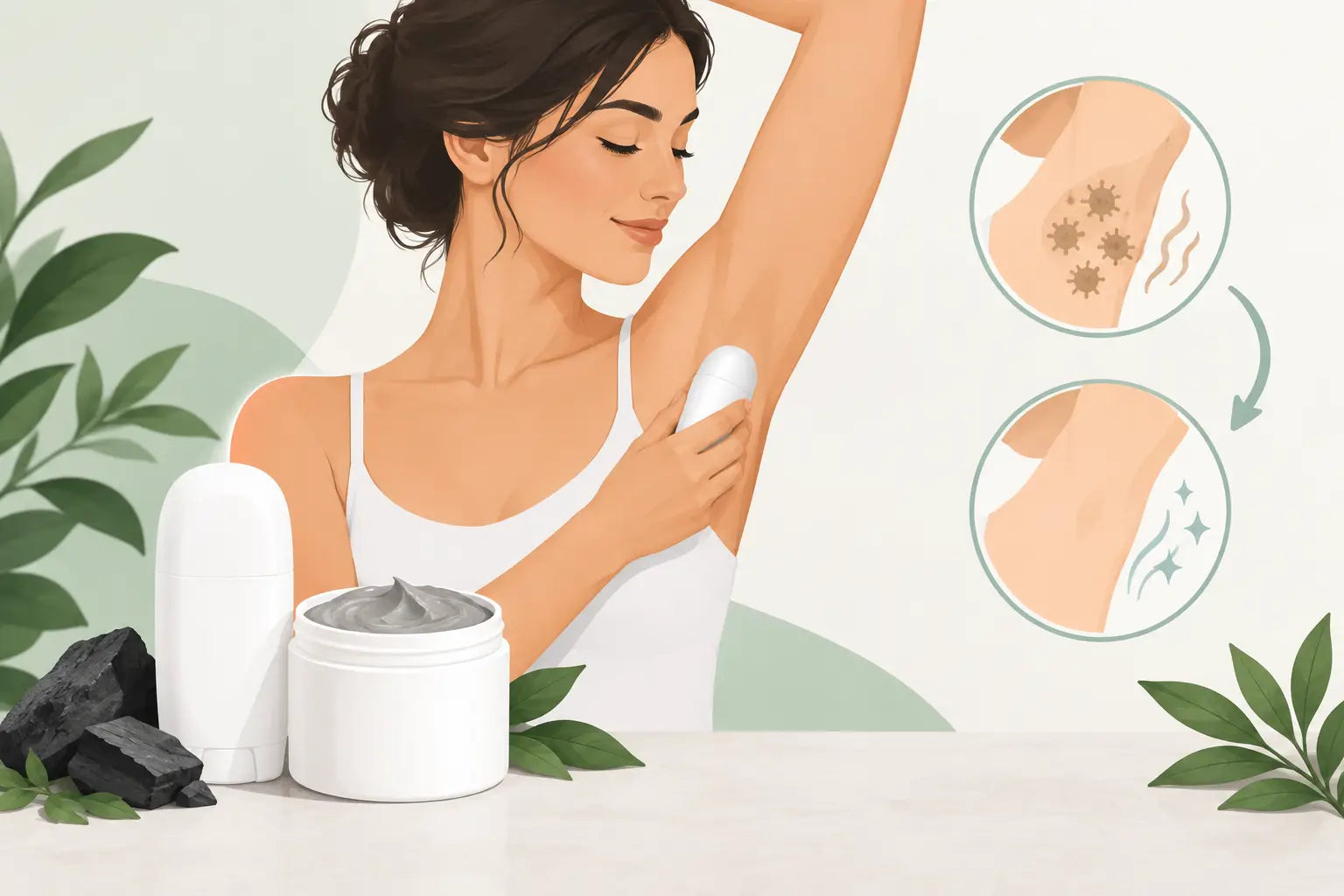









A deodorant that felt reliable last month can suddenly seem less effective after one hot commute, a stressful week, or a change in routine. So, why does natural deodorant sometimes stop working? Usually, the product has not stopped working altogether. More often, changes in sweat, skin, clothing, application, or product buildup are making odor harder to manage.
Natural deodorant is designed to help control underarm odor. It is not an antiperspirant, so sweating can still happen, especially when temperatures rise or your body is under pressure. That distinction matters: more moisture can create a more challenging environment for odor throughout the day.
The good news is that a few practical adjustments can often make a noticeable difference. Start by looking at what changed, rather than assuming your deodorant is no longer a fit.
Why Does Natural Deodorant Sometimes Stop Working?
Natural deodorant may seem less effective when sweat levels, skin conditions, application habits, clothing, or daily stress change. Odor is not caused by sweat alone. It develops when sweat interacts with the skin and bacteria naturally present there. More heat, moisture, friction, or residue can make that interaction more noticeable.
This can happen even when you have used the same deodorant for a long time. A product that works beautifully in a cool, low-key season may need a little more support during summer, travel, exercise, illness, hormonal changes, or a demanding stretch at work.
It can also depend on your expectations. Aluminum-free deodorant focuses on odor control, while antiperspirants are designed to reduce wetness. If you are expecting completely dry underarms during a high-sweat day, a natural deodorant may feel different from what you used before.
Your Body May Be Producing More Sweat
A sudden increase in activity is one of the simplest explanations. Longer walks, a new workout routine, warm weather, crowded transit, or time outdoors can all mean more sweat reaching the underarm area. More sweat does not mean you are doing anything wrong. It simply means your deodorant has more to manage.
Stress can have a similar effect. Stress-related sweat may be more noticeable because it can create conditions that lead to stronger odor. This is why a deodorant can seem to perform differently on a relaxed weekend than it does before a presentation, during travel, or on a packed schedule.
Hormonal shifts, medications, dietary changes, and being unwell can also affect body odor or perspiration. If you notice a sudden, persistent change that concerns you, it is sensible to speak with a healthcare professional. For day-to-day variation, however, adjusting your deodorant routine is often a helpful first step.
Application Can Make a Bigger Difference Than You Think
Apply natural deodorant to clean, fully dry underarms for the best chance of consistent odor control. Applying it over sweat, leftover product, or damp skin can keep the formula from sitting as evenly where you need it.
After showering, take a moment to dry your underarms thoroughly before applying. With a stick, use a few light, even passes rather than pressing hard or applying a heavy layer. Cream deodorant can be applied in a small amount and worked gently across the underarm area. More product is not always better. An overly thick layer can feel uncomfortable, transfer to clothing, or mix with moisture during the day.
Timing matters, too. If you shower at night and tend to sweat overnight, a quick rinse or wipe and a fresh application in the morning may be more effective than relying on the previous evening's application. On especially active days, it can be practical to reapply after a workout or after changing clothes.
Product Residue Can Get in the Way
Deodorant residue, body wash residue, and oils from skin-care products can build up over time. If your underarms feel coated after washing, your deodorant may not be meeting clean skin as directly as it should.
Use a gentle but thorough wash routine, then rinse well. You do not need an aggressive scrub or a complicated underarm ritual. The goal is simply clean, dry skin before deodorant application. If you shave, give your skin time to settle if it feels freshly irritated, and avoid applying more product than needed.
Clothing can hold onto odor, too. This is easy to miss because a freshly showered body can pick up lingering odor from the underarm area of a shirt. Athletic fabrics and close-fitting tops can be especially prone to holding sweat and odor after repeated wear.
If odor returns quickly after you get dressed, wash the garment thoroughly before deciding your deodorant is the problem. Make sure workout clothes, bras, undershirts, and frequently worn tops are fully cleaned and dried between uses.
Heat, Fabric, and Friction Change the Equation
Warm weather naturally raises the stakes. A sunny day, a humid office, or a long afternoon in the car can lead to more moisture and more friction under the arms. Tight synthetic fabrics can trap heat close to the skin, while breathable fabrics may feel more comfortable on high-sweat days.
You do not have to rebuild your wardrobe to support your deodorant. It may be enough to choose a lighter top for errands, pack an extra shirt for travel, or use a breathable layer when exercising. These small changes can help reduce the moisture and friction that make odor more noticeable.
Pay attention to when the issue occurs. If your deodorant works well on ordinary days but not during workouts, it may be a situation-specific challenge rather than a sign that the product has stopped working. Keeping a deodorant in your gym bag, desk drawer, or travel kit can make reapplication simple when your day calls for it.
Your Format or Scent May No Longer Be the Best Fit
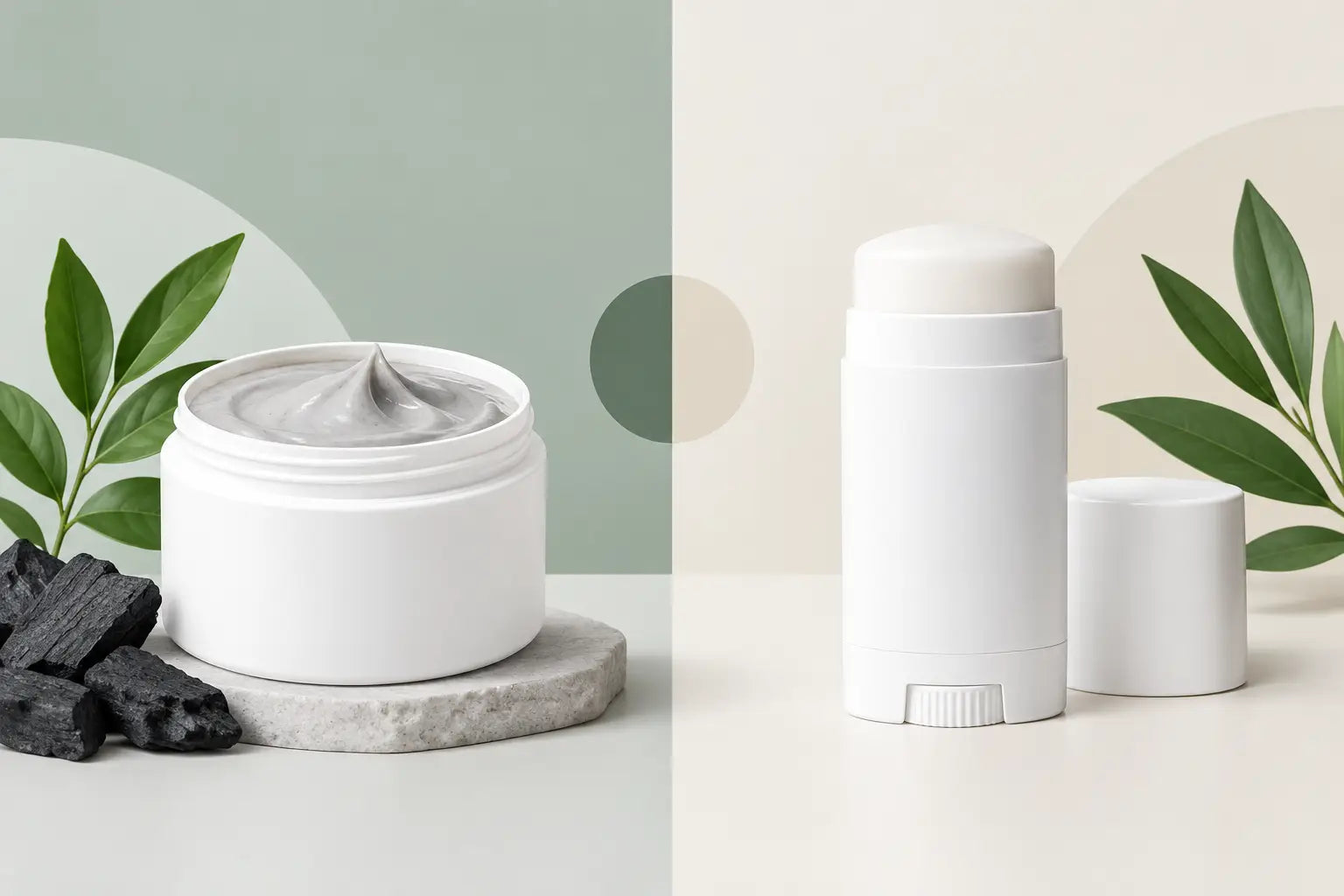
Personal preference can change with the season and with your routine. A stick may be ideal for a fast morning application, while a cream format may suit someone who prefers a more hands-on application. Purelygreat offers stick deodorants as well as cream and charcoal cream deodorants, so you can choose the format that feels easiest to use consistently.
Scent is personal, but it can also affect your experience of freshness. Some people prefer Unscented when they use fragrance elsewhere. Others enjoy Lavender, Tea Tree, Floral, Spice, Citrus, or Patchouli as part of their daily routine. Choosing a scent you genuinely enjoy can make you more likely to apply deodorant regularly and reapply when needed.
A format change is not a guarantee of stronger performance, and no single choice is right for everyone. It is a practical option when your current routine feels inconvenient, messy, or difficult to keep up with.
Check Storage and Product Condition
Like other personal care products, deodorant performs best when stored with care. Keep it away from prolonged heat, such as a sunny windowsill, a hot car, or a steamy bathroom shelf. Excess heat can affect texture and make application less consistent.
If a stick becomes unusually soft, allow it to return to room temperature before using it. For creams, keep the container closed tightly between uses and use clean, dry hands for application. If the product looks or smells noticeably different from when you opened it, review the product label and consider replacing it.
A Simple Reset for Better Results
When natural deodorant seems less dependable, keep the reset uncomplicated. Wash your underarms and rinse well, dry completely, and apply a light, even layer. Put on a clean shirt that does not have lingering underarm odor. Then consider the day ahead: heat, exercise, stress, and travel may all make a second application useful.
Give the adjusted routine several days before judging it. A single humid day or stressful meeting is not always a fair test of your everyday deodorant performance. Notice patterns instead. Does odor show up only after exercise? Only with a certain shirt? Only by late afternoon? Those details can point to the most useful fix.
Shop Purelygreat Deodorants
Frequently Asked Questions
Does natural deodorant stop working because your body gets used to it?
There is no need to assume your body has become immune to your deodorant. More often, a change in sweat, heat, stress, clothing, skin condition, or application explains why odor control feels different.
Should I apply natural deodorant more than once a day?
Yes, reapplication can be useful on high-sweat days, after exercise, or when changing clothes. Apply to clean, dry underarms whenever possible for a fresher, more even application.
Why do I smell fine before getting dressed but not afterward?
The underarm area of clothing can retain odor even after a quick wash. If odor returns as soon as you put on a particular top, the garment may need a more thorough cleaning.
Natural deodorant works best as part of a flexible routine, not a rigid rule. Clean skin, a comfortable format, fresh clothing, and a little extra attention on demanding days can help you stay comfortable while embracing a natural lifestyle.