




A deodorant drawer used to be a simple decision: pick a scent and move on. The future of aluminum free deodorant looks more personal than that. People want a product that fits their routine, feels good to use, has an ingredient list they can recognize, and reflects the values they bring to the rest of their personal care choices.
That shift is not about chasing a complicated wellness routine. It is about making one everyday product work better for real life. For many shoppers, choosing an aluminum-free deodorant is part of a broader move toward thoughtful, clean-label essentials that are effective, practical, and easy to use.
The Future of Aluminum Free Deodorant Is Choice
The next chapter of aluminum-free deodorant is not one universal formula or one signature scent. It is more useful choice. A person heading to the gym, commuting to work, traveling, or simplifying a morning routine may all want the same core benefit: dependable odor care without aluminum. But their preferred format and scent can be very different.
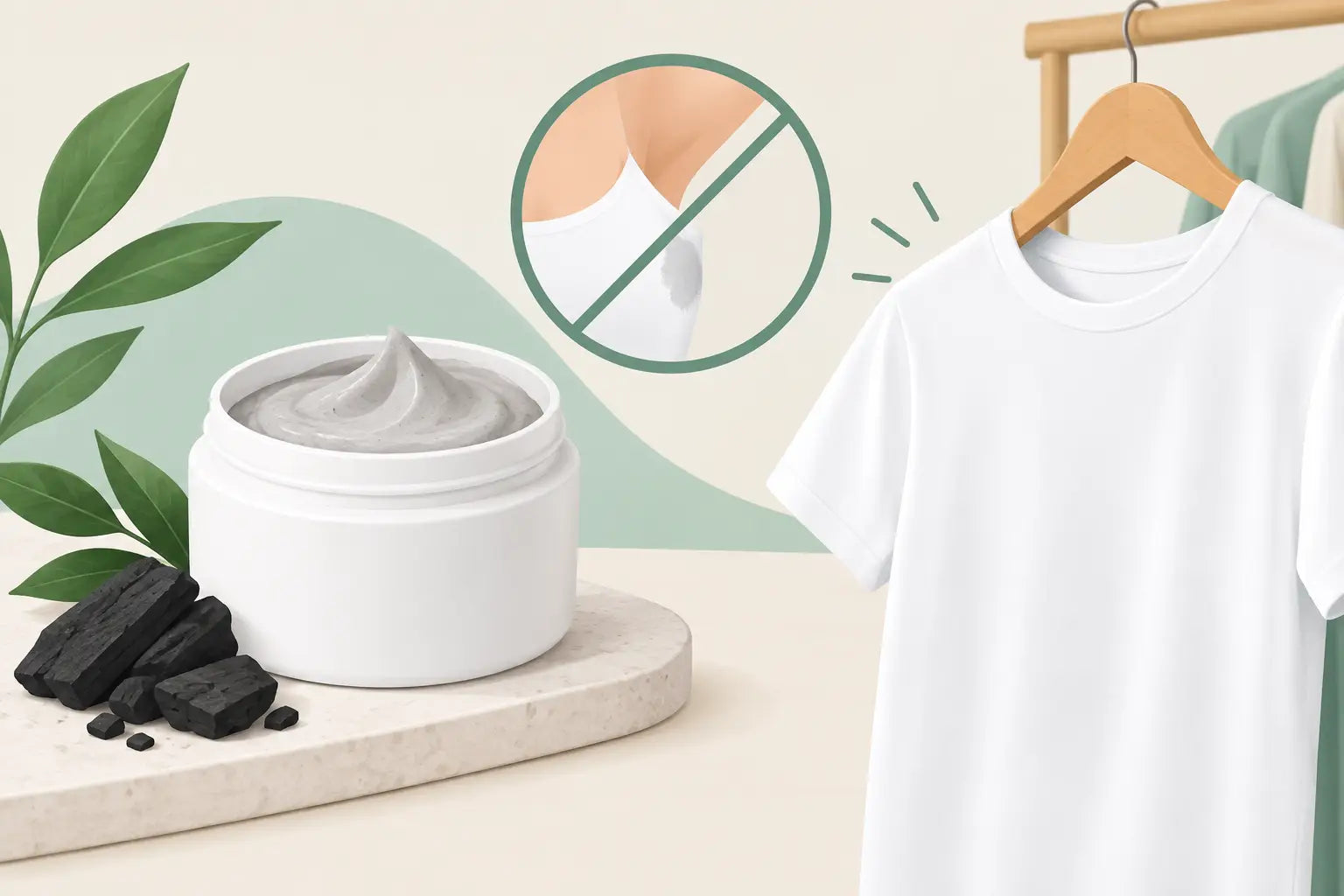
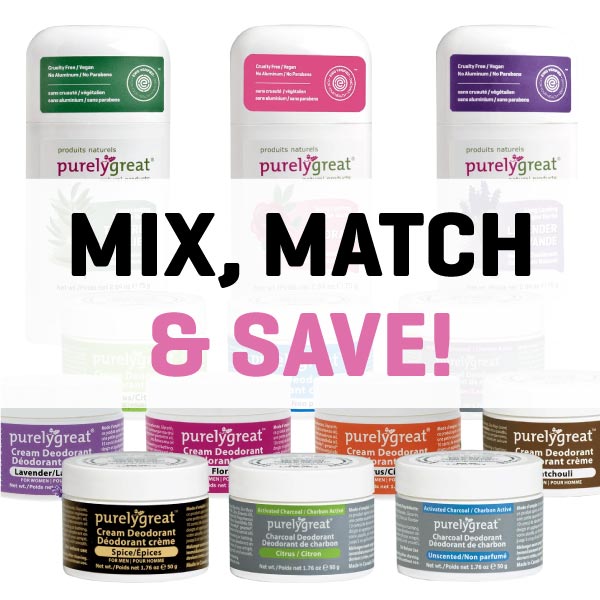
That is why format matters. Stick deodorant offers familiar, quick application and is easy to keep in a daily routine. Cream deodorant gives shoppers another application experience and can be a welcome option for people who prefer a more hands-on ritual. Charcoal cream deodorant adds a distinct format choice for those who enjoy a cream application and want charcoal as part of their deodorant routine.
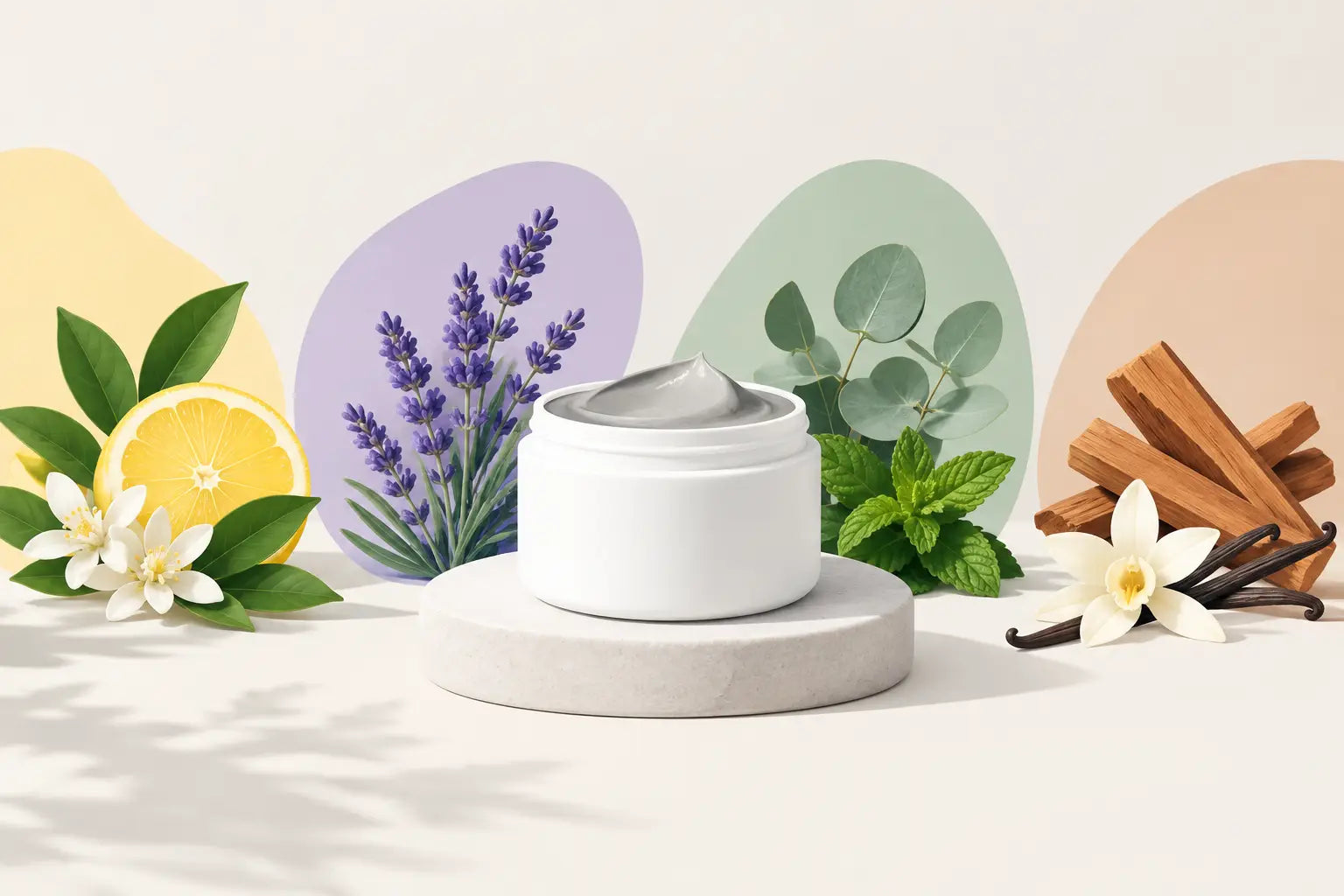
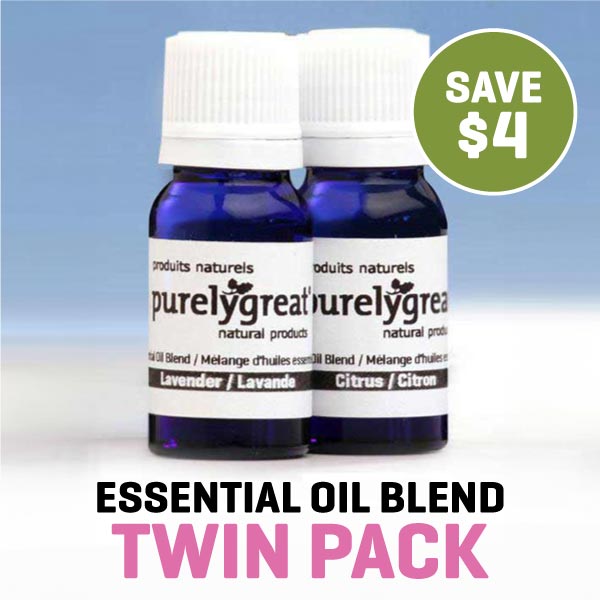
Scent choice will remain just as meaningful. Unscented options suit people who prefer the most minimal scent experience or who do not want their deodorant competing with fragrance from other personal care products. Lavender can feel calm and familiar. Citrus brings a brighter direction, while floral, patchouli, spice, and tea tree offer ways to make a basic daily step feel more like your own.
More choice does not have to mean more confusion. The best product ranges make it easy to start with what you already know about yourself: Do you prefer a stick or a cream? Do you want no added scent experience, something fresh, or something warm and earthy? Small decisions like these can make a new routine easier to maintain.
Performance Will Stay at the Center
Clean personal care only becomes a lasting habit when it works in daily life. That is especially true for deodorant, a product people rely on during busy mornings, long workdays, workouts, travel days, and warm weather.
Aluminum-free deodorant and antiperspirant serve different purposes. An antiperspirant is intended to reduce perspiration, while deodorant is used to help manage underarm odor. Knowing that distinction helps set realistic expectations when making a switch. Perspiration is a normal body function, and an aluminum-free deodorant routine is centered on freshness and odor control rather than trying to stop sweat.
There is also an adjustment period that can be practical rather than dramatic. A new format may take a few applications to feel familiar. A cream asks for a different application method than a stick. A favorite scent may change with the seasons, activity level, or simply your mood. Giving a product a fair, consistent try is often more useful than expecting every option to feel identical on day one.
The future belongs to brands that respect those everyday realities. Clear use directions, straightforward product descriptions, and a choice of formulas help shoppers make decisions with confidence. Performance should feel approachable, not like a chemistry lesson.
Ingredient Clarity Will Matter More Than Trendy Language
People are reading labels more closely, and that is a healthy direction for personal care. They do not necessarily want a long technical explanation. They want clear information that helps them understand what they are applying every day.
For aluminum-free deodorant shoppers, transparency is becoming a baseline expectation. That includes being open about the product format, scent, and formulation, rather than hiding behind vague beauty language. It also means avoiding the idea that more complicated automatically means better.
Purelygreat approaches this with deodorants that are aluminum free, paraben free, vegan friendly, cruelty free, and EWG Verified. These details give shoppers useful reference points when comparing their everyday options. They also support a more intentional shopping habit: choose products based on the standards that matter to you, then choose the format and scent you will genuinely enjoy using.
Ingredients will continue to be part of the conversation, but shoppers do not need to become experts to make a considered choice. Start with the full ingredient list, think about what you prefer in your routine, and select a deodorant designed for the kind of application you like. That is a more grounded approach than reacting to every new ingredient trend.
Sustainability Will Be Built Into Everyday Decisions
The future of aluminum free deodorant is also connected to how people think about waste. A personal care routine may seem small, but products used every day add up over time. Consumers are increasingly looking for choices that support a lower-waste lifestyle without making their bathroom routines difficult.
Eco-friendly, recyclable plastic packaging is one practical part of that equation. It recognizes that shoppers need packaging that protects the product, travels well, and fits into a realistic daily routine. Sustainability works best when it is designed around everyday use, not when it asks people to choose between convenience and their values.
This broader mindset is why deodorant often becomes a starting point for conscious living. It is a product people use regularly, replace routinely, and can easily match with other thoughtful household and personal care choices. One simple swap can make a natural lifestyle feel less abstract and more doable.
Personal Routines Will Matter More Than Perfect Routines
There is no single right way to use aluminum-free deodorant. Some people apply it after a shower and carry on with their day. Others keep a second deodorant in a gym bag, desk drawer, or travel kit. Someone who enjoys a citrus cream in summer may reach for lavender or spice when the weather cools.
The most helpful approach is to build a routine around your actual habits. If speed matters, a stick may be the natural fit. If you enjoy choosing products with a more tactile application, cream deodorant may be a better match. If fragrance is not part of your preference, unscented provides a simple option. A deodorant that fits your routine is more likely to become one you use consistently.
It also helps to keep expectations flexible. Your needs can shift with the season, your schedule, and your activity level. Having options is not about collecting products for the sake of it. It is about having the freedom to choose what feels right for the day ahead.
What Shoppers Should Look for Next
As the category grows, the strongest aluminum-free deodorant options will make the buying decision clearer, not louder. Look for straightforward claims, accessible ingredients information, formats that suit your preferred application style, and scent options that feel wearable every day.
Trust signals matter, but so does honesty about what a product is designed to do. An aluminum-free deodorant should be presented as deodorant, with a focus on odor care and a fresh-feeling routine. Clear expectations build more confidence than oversized promises.
For first-time shoppers, starting with a familiar format can make the transition feel easy. For experienced natural deodorant users, trying a new scent or cream format can refresh a routine without changing the values behind it. Either way, the goal is not to create a flawless bathroom shelf. It is to choose an everyday essential that feels aligned with how you want to live.
The most promising future is a simple one: aluminum-free deodorant that gives people more clarity, more useful choice, and an easy way to make a thoughtful decision every morning.