




The deodorant aisle can make one small question feel surprisingly complicated: is aluminum-free enough, or should you look for EWG Verified, too? In the conversation around EWG Verified vs aluminum-free, the useful answer is that these claims mean different things. One tells you something specific about an ingredient category. The other gives you a broader standard for evaluating the product.
For people building a more mindful personal care routine, understanding that difference makes label reading simpler. You can choose a deodorant that fits your preferences without guessing what a front-label claim does - or does not - tell you.
EWG Verified vs aluminum-free: the key difference
An aluminum-free deodorant does not use aluminum-based active ingredients. Conventional antiperspirants commonly use aluminum compounds because they are designed to reduce underarm wetness. Deodorant has a different job: it helps manage odor, rather than trying to stop perspiration.
That distinction matters because sweating is normal. For many people, choosing an aluminum-free deodorant is about keeping their routine focused on odor control while allowing their body to perspire naturally.
EWG Verified is a broader product standard. The EWG Verified mark indicates that a product has met EWG's criteria for ingredient transparency and its strict standards for ingredients of concern. It gives shoppers an additional way to assess a product beyond one individual claim on the package.
So, aluminum-free answers one question: does this deodorant contain aluminum-based active ingredients? EWG Verified addresses a wider question: has the complete product met the requirements of this independent standard?
Neither phrase replaces the other. A deodorant can be aluminum-free without being EWG Verified. Looking for both claims can be a practical way to narrow your choices when clean ingredients and clear standards matter to you.
Why aluminum-free is only one part of the label
It is easy to treat “aluminum-free” as a complete measure of a deodorant, especially when that is the first claim you notice. But ingredient preferences are personal, and most shoppers are considering more than aluminum alone. They may also want straightforward ingredient information, a formula that aligns with their everyday values, and a product that works comfortably with their routine.
This is where looking beyond a single claim helps. An aluminum-free label tells you what has been left out. It does not, by itself, explain the full formula, how transparent the brand is about ingredients, or whether the product has been reviewed against a wider set of standards.
That does not make the claim unhelpful. It is highly relevant if you are moving away from antiperspirant or specifically want deodorant without aluminum-based active ingredients. It simply works best as the beginning of your label review, not the final step.
An EWG Verified mark can make that review feel more manageable. Instead of trying to become an expert on every ingredient name, you have a meaningful trust signal alongside the ingredient list. You can still read the label and make your own decisions, but you are not relying on a single marketing phrase.
What to look for when choosing deodorant
The best deodorant is rarely the one with the longest list of claims. It is the one that clearly matches what you want from your daily routine. Start by deciding whether aluminum-free is a nonnegotiable for you. If it is, confirm that statement on the product page or package rather than assuming every product called natural meets that preference.
Next, look for EWG Verified if independent standards and ingredient transparency are priorities. The mark is especially useful for shoppers who want a simple, recognizable signal that goes beyond an aluminum-free claim.
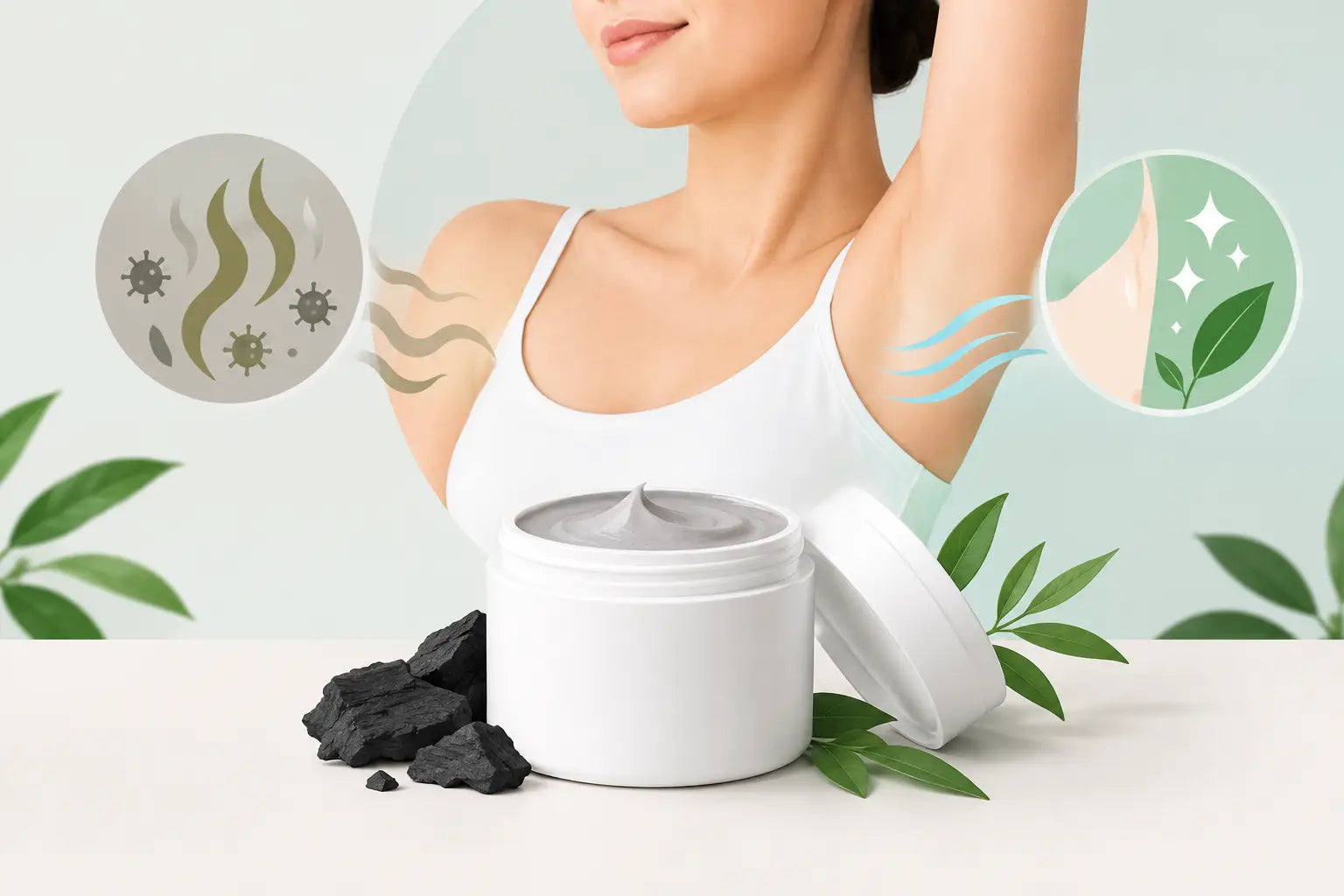
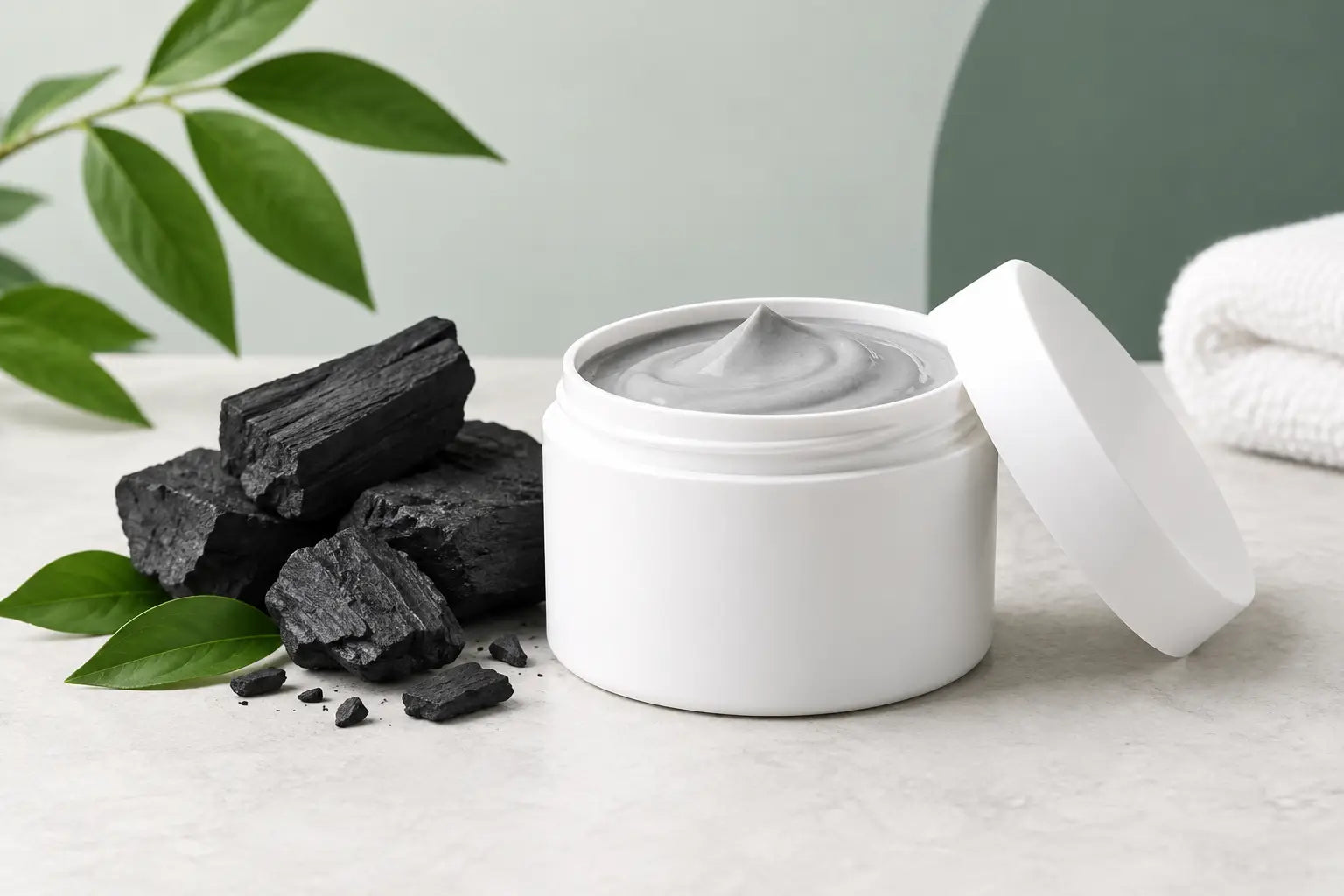
Then consider the practical details that affect whether you will enjoy using the product every day. Deodorant format matters. Some people prefer the familiar ease of a stick, while others like applying a cream deodorant. Charcoal cream deodorant is another option for those who prefer a cream format with charcoal included in the formula.
Scent is personal, too. An unscented option can suit a minimal routine or pair easily with fragrance. Lavender offers a calm, familiar choice, while tea tree, floral, citrus, patchouli, and spice provide distinct aromatic directions depending on the deodorant format. The goal is not to choose the “right” scent universally. It is to find one you look forward to applying.
Finally, take an honest view of your day. A quick workday, a commute, exercise, warm weather, and travel can all shape which format feels most convenient. The deodorant you use consistently is more likely to become a useful part of your routine than one that looks ideal on paper but never leaves the cabinet.
How deodorant works without aluminum
An aluminum-free deodorant is not an antiperspirant, so expectations matter. It is designed to support freshness and help manage odor. You may still sweat, particularly during activity or warm weather, because the product is not intended to block perspiration.
This can be an adjustment for someone switching from conventional antiperspirant. Give yourself room to notice the difference between wetness and odor. They are related, but they are not the same experience, and a deodorant routine is centered on odor management.
Application habits can also make a difference. Apply deodorant to clean, dry underarms and use the amount that feels comfortable for your chosen format. If you are trying a new product, a few days of consistent use gives you a fairer sense of how it fits into your routine than a single rushed morning.
No deodorant performs exactly the same way for every person. Body chemistry, movement, climate, and daily stress can all change how fresh you feel. That is why choosing a scent and format you genuinely enjoy is not a minor detail - it supports consistency.
A clearer way to compare claims
When two products both say aluminum-free, pause before treating them as interchangeable. Ask whether you can easily find the full ingredient information. Look for clear product details rather than vague language. If EWG Verified is part of your criteria, confirm that mark specifically instead of assuming that aluminum-free automatically includes it.
You can also separate your needs into two categories: what you want to avoid and what you want to gain. Aluminum-free may belong in the first category. Transparent standards, a preferred format, an enjoyable scent, recyclable plastic packaging, and a formula that fits your values may belong in the second.
That approach prevents a common shopping mistake: choosing based on a single bold claim and realizing later that the rest of the product does not suit you. It also leaves room for flexibility. Someone may prioritize unscented cream deodorant for everyday use and keep a scented stick for a gym bag or travel. Another person may prefer one format year-round. Both choices can make sense.
Where Purelygreat fits into the choice
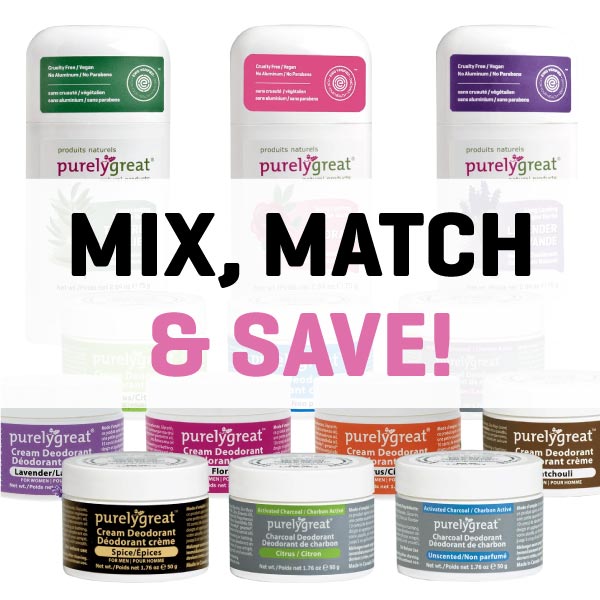
Purelygreat Natural Products brings these considerations together with EWG Verified, aluminum-free deodorants available in stick, cream, and charcoal cream formats. The line offers everyday choices without asking shoppers to choose between clear standards and a deodorant experience they enjoy using.
Stick deodorants are available in Unscented, Lavender, Tea Tree, Floral, and Spice. Cream deodorants come in Unscented, Citrus, Lavender, Floral, Patchouli, and Spice, while charcoal cream deodorants are offered in Unscented, Lavender, and Citrus. Each format gives you a way to match the product to your routine and scent preference.
The point is not that one format is inherently better. A stick may be the simple choice for someone who wants a classic application experience. A cream may appeal to someone who likes a more hands-on routine. Charcoal cream offers another option within the same aluminum-free approach. Your preference is valid, and it may change over time.
Make the label work for you
EWG Verified and aluminum-free are not competing claims. They answer different questions, and together they can help you shop with more clarity. Aluminum-free tells you that the product is deodorant rather than an aluminum-based antiperspirant. EWG Verified adds a broader signal around the product's ingredient standards and transparency.
Rather than chasing every claim on the shelf, choose the few that genuinely matter to you, then find a format and scent that make daily use easy. A thoughtful deodorant choice can be refreshingly simple: read the label, trust your preferences, and pick the product you will feel good reaching for tomorrow morning.