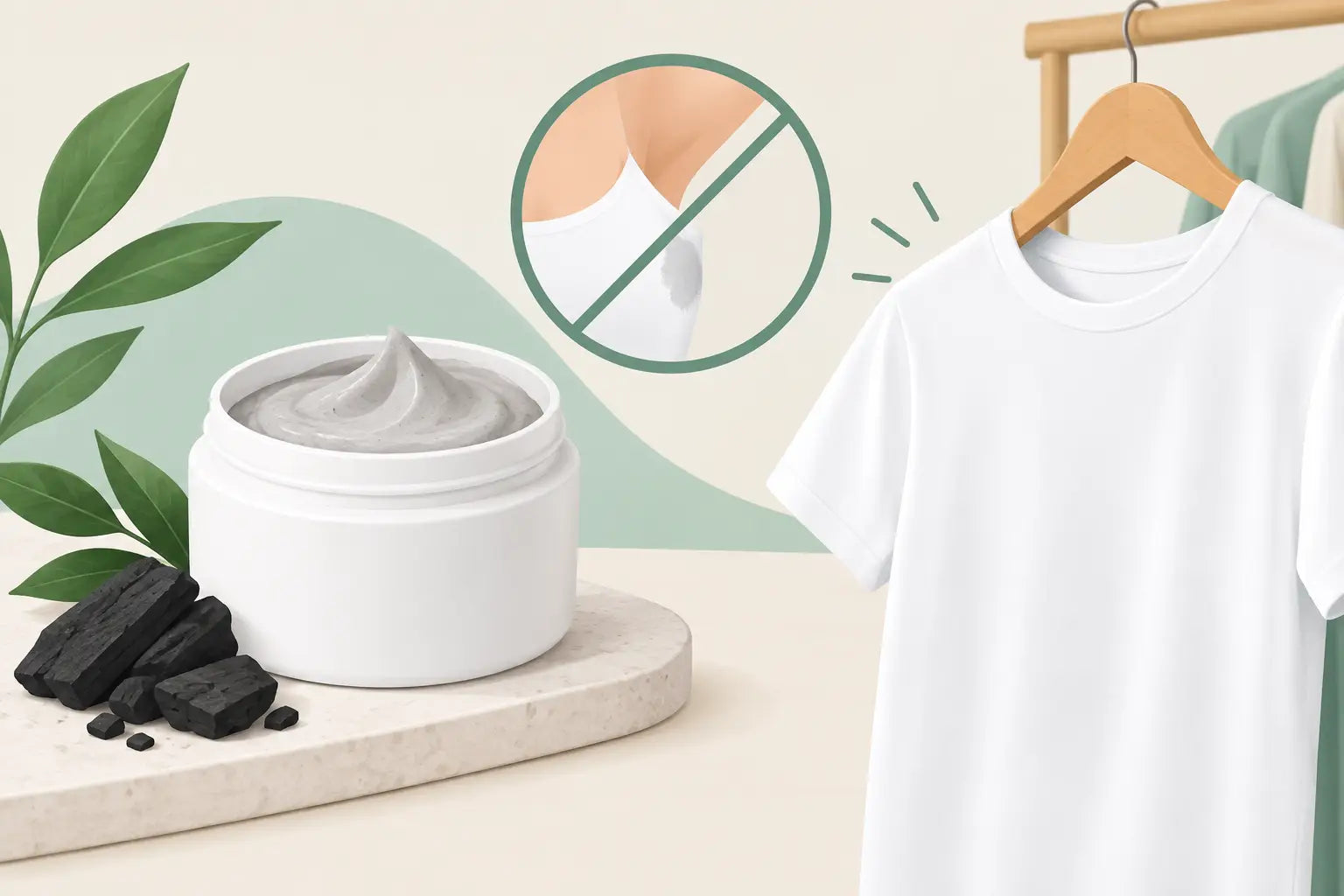









A cream deodorant that feels softer than usual can raise a reasonable question: does cream deodorant melt? The short answer is yes, it can soften significantly or melt when exposed to enough heat. That does not automatically mean there is anything wrong with it. Cream deodorant is meant to have a soft, spreadable texture, and warm temperatures can make that texture even more fluid.
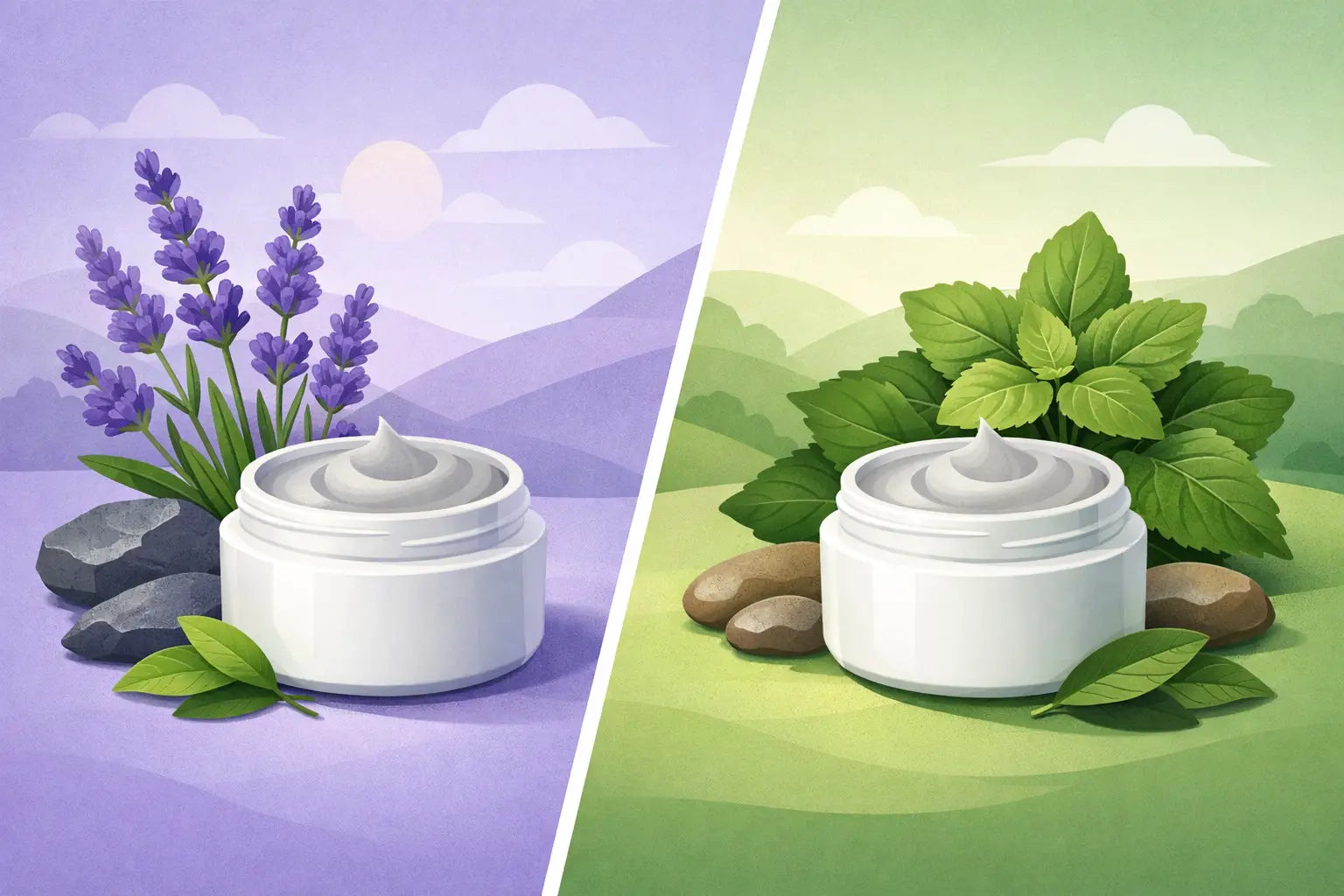
For people choosing aluminum-free personal care, knowing how to care for a cream format helps make the switch feel simple. A few practical storage habits can protect the consistency you prefer, whether you use an Unscented, Citrus, Lavender, Floral, Patchouli, or Spice cream deodorant.
Why Cream Deodorant Softens in Heat
Cream deodorant has a naturally soft consistency compared with a solid stick. It is designed to warm slightly with your fingertips so it can be applied in a thin, comfortable layer. When the whole container sits in a hot car, near a sunny window, in a steamy bathroom, or inside a warm delivery box, that same softening can happen throughout the product.
Ingredients such as shea butter and plant-based oils respond to temperature. In cooler conditions, they help the cream hold its familiar smooth, scoopable form. In higher heat, they become softer. If the temperature stays high long enough, the cream may look glossy, loose, or partly liquid.
This is a normal behavior for a cream-based product. It is different from a stick deodorant, which is made to keep a firmer shape during application. Neither format is better for everyone. The right choice often comes down to the feel you enjoy, how you apply deodorant, and where you tend to store your daily essentials.
Does Melted Cream Deodorant Still Work?
In many cases, a softened cream deodorant can still be used after it cools and returns to a more solid texture. A brief stretch of heat may change its appearance or make it easier to scoop, but it does not necessarily make the product unusable.
The main concern is not simply that the cream became soft. It is whether the container stayed sealed and clean. If a jar has leaked, collected water, or been left open in a damp environment, it is best to use good judgment before applying it to your underarms. Keep the lid closed tightly between uses, and use clean, dry fingers when scooping out the product.
Heat can also affect how evenly the cream sets as it cools. You may notice a softer top layer, a slightly grainier feel, or a texture that is not quite the same as before. That can be frustrating, especially when you love the original consistency, but it is often a texture issue rather than a reason to discard the product.
What to Do if Your Cream Deodorant Melted
If your cream deodorant arrives warm or becomes very soft at home, give it time to cool before deciding how it feels. Place the closed container upright in a cool, dry indoor spot, away from direct sunlight. Give it a good stir and then letting it rest undisturbed helps the product settle back into the jar.
Avoid trying to fix the texture by adding water, essential oils, powder, or other ingredients. Cream deodorant is formulated as a finished product, and additions can change the consistency and make application less predictable. It is also better not to repeatedly heat and chill the container. Frequent temperature swings can create more texture changes over time.
If the cream has become liquid enough to shift inside the jar, give it a stir and keep it upright while it cools. Once it has firmed, open it slowly and check that the lid and threads are clean. A small amount can then be applied as usual. Start with less than you think you need. Cream deodorant is concentrated in format, and a thin layer is generally easier to spread evenly.
Should You Refrigerate It?
Refrigeration is not usually necessary for everyday storage. A very cold cream can become firmer than you prefer and may need a moment to soften under your fingertip before application. For most homes, a cabinet or drawer away from heat sources is a more practical choice.
That said, temporary cooling can be helpful after unusual heat exposure, such as a summer delivery or a container left in a warm room. The goal is simply to help the cream return to a comfortable, usable texture, not to keep it cold all the time.
Smart Storage for Cream Deodorant
The easiest way to protect a cream deodorant is to treat it like other personal care products that do best away from heat and direct sun. A bedroom drawer, hallway cabinet, or shaded shelf is often better than a bathroom windowsill. Bathrooms can be convenient, but repeated steam and temperature changes may not be ideal for a soft cream formula.
Cars are the biggest storage challenge. Even on a mild-looking day, a parked car can become much warmer than the outdoor temperature. If you carry deodorant in a gym bag, work tote, or travel bag, bring it inside when you can rather than leaving it in the vehicle.
Shipping can create a similar situation during warmer months. A package may spend time in delivery vehicles or on a porch before you bring it indoors. If your cream deodorant arrives soft, move it inside promptly, keep it upright, and allow it to cool naturally. Planning deliveries for a day when someone can receive the package is a small step that can make a noticeable difference in summer.
Cream Format vs. Stick Format in Warm Weather
If heat exposure is a regular part of your routine, the deodorant format you choose may matter. Cream deodorant offers a hands-on application experience and lets you control exactly how much you use. Many people enjoy the ritual of applying a small amount with their fingertips, especially as part of a low-toxin daily care routine.
A stick deodorant may be more convenient for commuting, travel, locker rooms, or keeping in a bag. Its solid format can feel less fussy when you are on the go. Still, sticks should also be protected from high heat, since extreme temperatures can soften many personal care products.
Charcoal cream deodorant is another cream-format option for those who prefer a cream application. It comes in Unscented, Lavender, and Citrus scents. As with other cream deodorants, storing it in a cool, dry place helps maintain the texture you expect.
Choosing between a cream and a stick does not need to be permanent. Some people keep a cream deodorant at home and use a stick for travel or busy days. Others simply choose the format that feels best in their routine. Purelygreat offers both options so personal care can fit real life, not add another complication to it.
How to Apply Soft Cream Deodorant Without Using Too Much
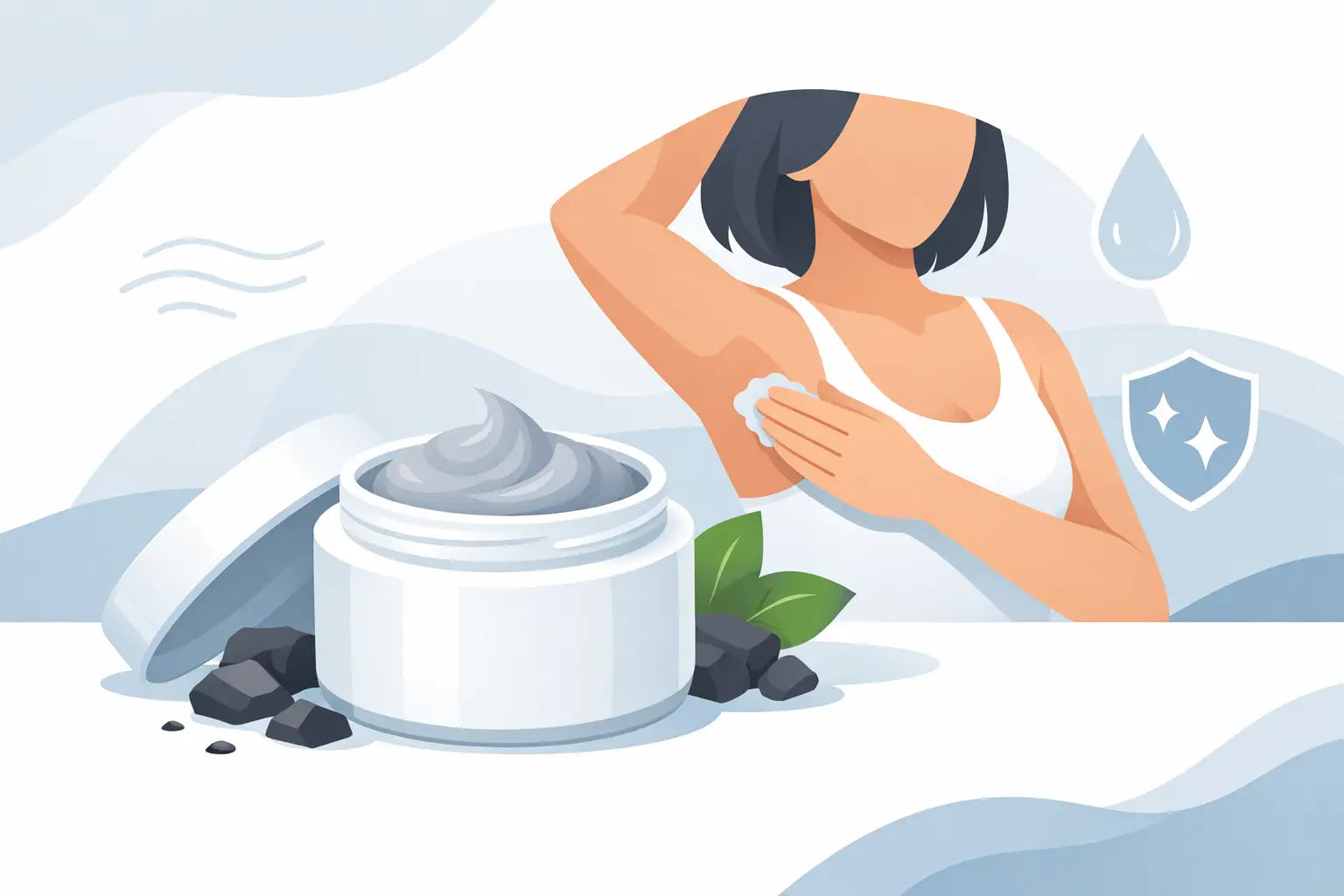
When cream deodorant is warm, it can be easy to scoop more than needed. Start with a small amount, about the size that feels easy to spread into a thin layer. Warm it briefly between your fingertips, then apply evenly to clean, dry underarms.
If the product is especially soft, use a light touch and return the lid to the container right away. Keeping the jar open while you get dressed or finish your routine gives warmth and moisture more opportunity to affect the surface. A clean, dry application also helps keep the experience neat and comfortable.
Texture can vary a little with the season, and that is part of using a cream deodorant made for a naturally soft application. Rather than expecting it to feel identical on every hot or cold day, think of storage as part of the product routine. A cool cabinet, a tightly closed lid, and a little patience after heat exposure can help your cream deodorant stay ready for daily use.
The best approach is refreshingly simple: keep your cream deodorant out of direct heat, stir it and let it settle if it softens, and enjoy the scent and format that make your everyday routine feel good.