




A deodorant label has become more than a quick scan for a favorite scent. For many shoppers, deodorant ingredient transparency trends are changing what confidence looks like at the bathroom counter: a clear ingredient list, understandable product claims, and enough detail to choose a format that fits a real daily routine.
That shift is practical. Deodorant is used close to the skin, often every day, so people want to know what they are applying and why a brand has chosen those ingredients. They also want to avoid spending time decoding vague front-label language that does not tell the full story. Clear information supports better decisions, whether someone is switching from a conventional deodorant or refining an established low-toxin routine.
What ingredient transparency means in deodorant
Ingredient transparency means a deodorant brand clearly identifies what is in its formula and gives shoppers a straightforward way to review that information before buying. It is not just a collection of reassuring words on the front of a package. It is the ability to look at the ingredient list, compare formats and scents, and understand which product claims apply.
For a health-conscious shopper, this visibility can make a daily essential feel much easier to choose. Aluminum-free and paraben-free claims are useful when they are paired with a complete ingredient list rather than left as stand-alone marketing language. EWG Verified status can also be a meaningful trust signal for shoppers who want an additional standard when evaluating personal care products.
Transparency does not require every customer to become an ingredient expert. A well-presented formula gives people the option to learn at their own pace. Someone may simply want an unscented deodorant for a minimal routine. Another person may compare a stick with a cream deodorant and want to see how the formulas differ. Both should be able to find clear information without guesswork.
Why deodorant ingredient transparency trends matter now
The growing interest in ingredient transparency reflects a broader change in how people shop for personal care. Customers are looking past a single claim and considering the whole product experience: what the formula contains, what it leaves out, how it is made, and whether it aligns with their values.
This does not mean every shopper needs the same thing. One person may prioritize an aluminum-free formula. Another may look for vegan-friendly and cruelty-free product choices. Someone else may be focused on made-in-Canada production or recyclable plastic packaging. Transparency matters because it lets each person weigh the details that are most relevant to them.
It also helps separate product facts from assumptions. A scent name, for example, tells you about the sensory experience, but it should not be treated as a shortcut for understanding the complete formula. Likewise, an unscented option is a scent preference, not a reason to assume it follows a completely different ingredient approach. Purelygreat Unscented deodorants are the most minimal formula options and, like all of the brand’s deodorants, contain baking soda.
The best deodorant label answers a simple question: What am I choosing, and can I verify it for myself?
A clearer way to evaluate a deodorant formula
Reading a deodorant label does not have to be intimidating. Start with the full ingredient list and the product’s ingredient information, then look at the claims made for that specific deodorant. This creates a more complete picture than relying on one phrase or a package color.
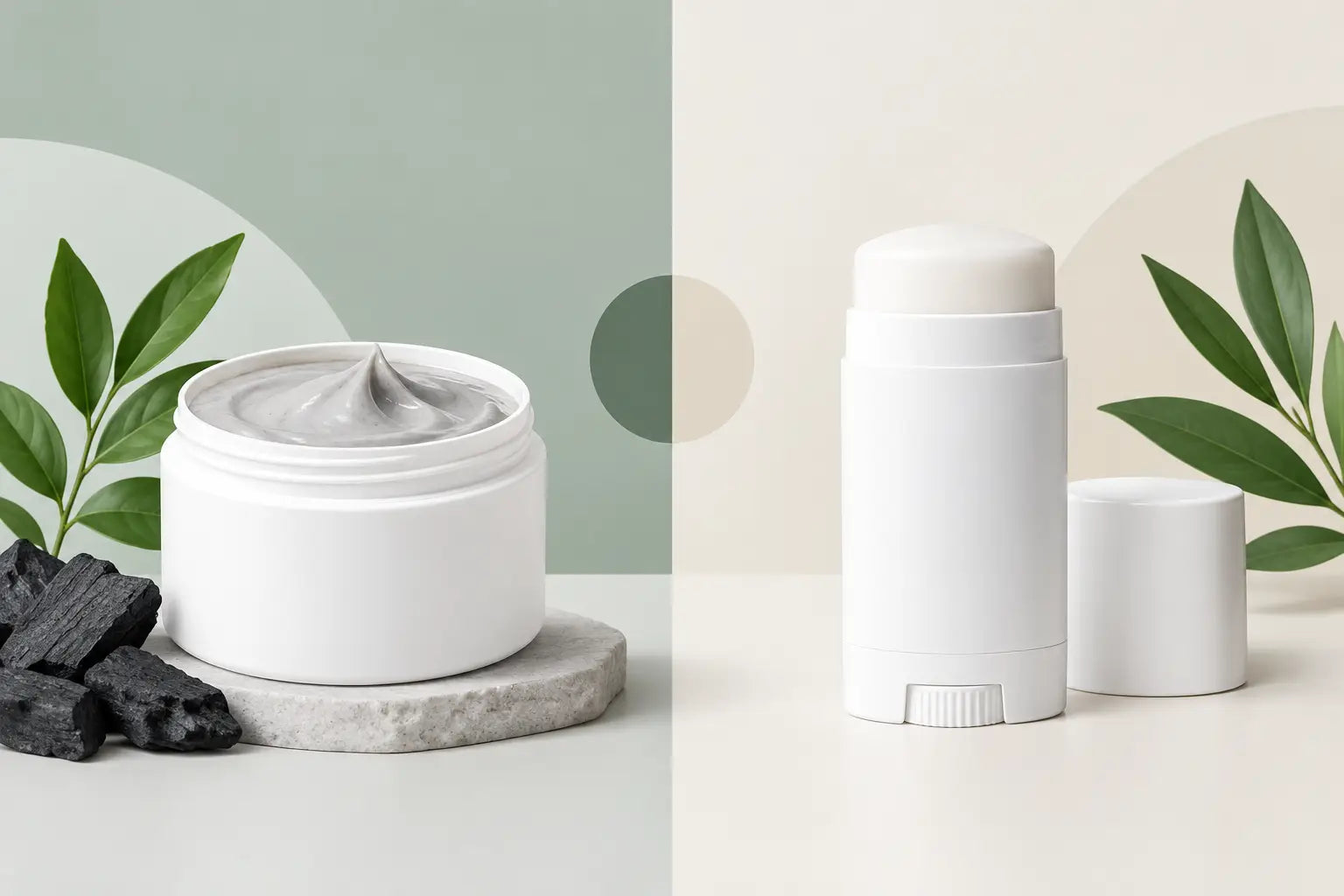
Baking soda is included across Purelygreat deodorants, and it is one detail shoppers can confirm when comparing options. From there, consider format and scent as distinct decisions. A stick may be the familiar choice for quick, on-the-go application, while a cream format may appeal to someone who prefers a different application experience. Charcoal Cream deodorants offer another format choice within the line. The right option depends on routine, texture preference, and the scent experience someone wants.
It is also helpful to distinguish between a brand value and a product fact. EWG Verified, aluminum-free, paraben-free, vegan-friendly, and cruelty-free are clear trust markers. The ingredient list is where shoppers can review the formula itself. Both kinds of information matter, but they answer different questions.
Claims should be specific, not vague
Terms such as clean can be meaningful to shoppers, but they are most useful when backed by details. A transparent deodorant brand does not expect customers to accept a broad promise without support. It provides the ingredient list and keeps its claims easy to locate and understand.
This is especially valuable for people who are new to aluminum-free deodorant. Rather than asking shoppers to make a leap based on a trend, clear information lets them compare choices on their own terms. It also makes repurchasing easier. Once someone finds a formula and format they enjoy, they know what to look for again.
Scent choice deserves clear information, too
Scent is personal, but it should not make shopping confusing. A clear product range makes it easier to choose a familiar favorite or try something new while staying within a deodorant line whose ingredient information is accessible.
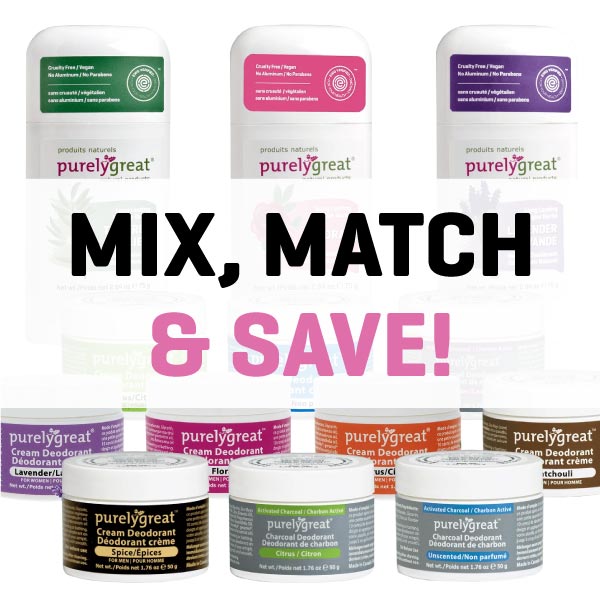
Purelygreat stick deodorants are available in Unscented, Lavender, Tea Tree, Floral, and Spice. Cream deodorants offer Unscented, Citrus, Lavender, Floral, Patchouli, and Spice. Charcoal Cream deodorants come in Unscented, Lavender, and Citrus. This kind of clear format-and-scent organization supports a more intentional purchase, particularly for households where different people prefer different application styles or scent profiles.
Transparency is more than the ingredient list
The ingredient list is central, but a transparent shopping experience includes other useful details. Customers should be able to identify the deodorant format, scent, product claims, and packaging approach without hunting for basic facts. Recyclable plastic packaging is part of the product decision for shoppers working toward a more considered daily routine.
There is a balance to strike. Too little information leaves customers uncertain, while too much unexplained technical language can feel overwhelming. The most helpful approach is clear, factual, and easy to check. It gives people enough context to make an informed choice without turning a simple everyday product into a chemistry exam.
That clarity also builds trust over time. When a brand is consistent about listing ingredients and describing its deodorants accurately, customers can compare a Lavender stick with a Citrus cream or an Unscented Charcoal Cream option with greater confidence. They are not forced to rely on assumptions about what a format name or scent label means.
How to shop with transparency in mind
A thoughtful deodorant purchase can begin with three questions. First, does the product clearly show its ingredient information? Second, do the stated product claims match what matters to you, such as aluminum-free, paraben-free, vegan-friendly, cruelty-free, or EWG Verified status? Third, does the format and scent fit how you want to use deodorant each day?
If the answer to those questions is clear, the choice becomes less about chasing the latest label language and more about finding a product that fits your routine. A stick may suit a gym bag or morning rush. A cream deodorant may feel right for an at-home routine. Unscented can keep the experience simple, while Lavender, Citrus, Floral, Tea Tree, Patchouli, or Spice can add a scent that feels more personal.
A transparent deodorant does not ask shoppers to choose between clear ingredients and everyday performance. It gives them the information to choose with confidence.
As ingredient transparency continues to shape personal care, the most useful trend is not a buzzword. It is the expectation that customers can see the facts, understand their options, and select an aluminum-free deodorant that supports the way they want to live every day.